Why not plan a visit to try us out?
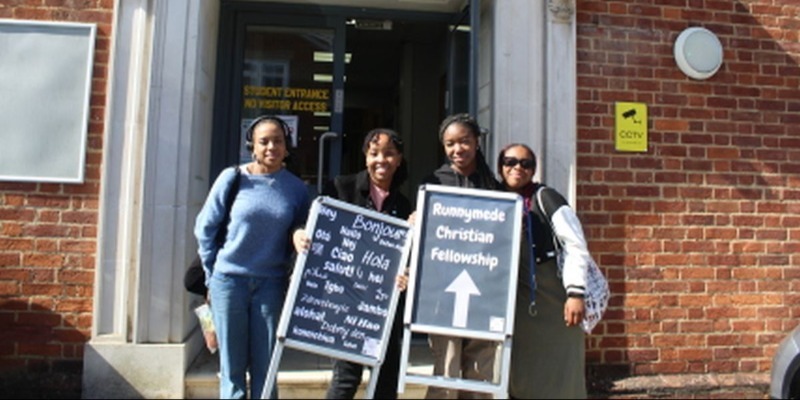
Whether this is your first time visiting a church or you’ve attended another church for years, we understand that visiting a new church can be a bit overwhelming. To help make it a bit easier, we’ve done our best to answer some questions you may have, so your first experience is a little less overwhelming.
Runnymede Christian Fellowship is a church
based in Egham but serving a much larger geographical area. Those who call us home come from Egham, Virginia Water, Staines, Englefield Green, Egham Hythe, Pooley Green, Maidenhead, Ascot, Sunbury, Heathrow, Slough, Ashford, Thorpe, Windsor, Woking and beyond.
Our church is a community of believers who gather regularly to share life and demonstrate God's love. We do this by encouraging and serving each other and the community. We believe in the power of prayer and are always happy to pray for you.
Church - What to expect
Our Sunday service is available to stream online at
11 am. You can join us on
Livestream or via
Facebook,
LinkedIn,
YouTube or
X.
The Sunday Venue is
Coopers Hall, Strodes College, Strodes College Lane in Egham, open to all, so if you would like to join us, please feel free to do so. If you have any questions, please call us on
01784 637010.
We run a physical Sunday School most weeks. If you would like your children to receive a weekly Sunday School teaching pack that you can do from home, please
email us at
admin@e-runnymede.co.uk so that we can send you the materials.
Sunday Venue at Coopers Hall, Strodes College, Strodes College Lane, Egham
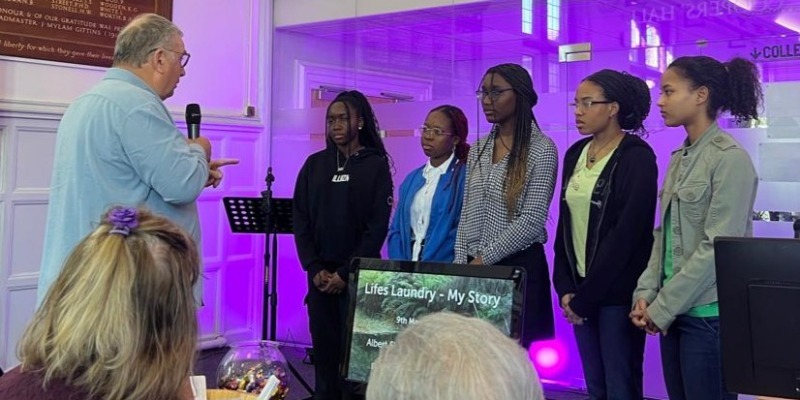
Our Sunday service starts at 11.00 and typically lasts about 90 minutes.
We begin each service with lively worship, featuring songs from around the world, followed by inspiring, Bible-based teaching. All our sermons are recorded and are available as a
podcast after the service.
We have a monthly cycle of Sunday services, with our Communion Service on the first Sunday of each month and an All-Age All-Nation Service on the second. Our other Sunday services include Spirit-focused and teaching services.
We have consciously adopted being a blended church, that is, both online and face-to-face. You are welcome to join us on
Livestream or via
Facebook,
LinkedIn,
YouTube, or
X, or catch up with the recordings
later.
Joining us in person
Visiting a new and unfamiliar church for the first time can be intimidating, but we want to ensure you feel welcome and enjoy your time with us. A friendly face will be waiting to meet you at the entrance and welcome you.
Doors open at 10:30 for coffee and prayer.
Our Sunday Service starts at 11:00 and typically runs for about 90 minutes, normally followed by tea and coffee.
Driving and Car Parking
Our Sunday Venue is
Coopers Hall, Strodes College, Strodes College Lane, Egham, TW20 9DR, which has ample parking.
Click on the link for directions to RCF.
We have plenty of parking spaces right outside the building. Spaces are reserved near the entrance for anyone with mobility issues (those with a blue badge). Please let us know if you need to use one of these spaces, have any special needs, or require any assistance.
The car parking area is a public area, so please ensure that your children are under your control and that, for their safety, they do not run around in the car park.
Visiting with children?
Everyone is welcome at RCF. We encourage everyone, regardless of age, to join the service. We offer Sunday School, which begins after worship and runs concurrently with the sermon for 30 to 40 minutes, serving children aged 4 to 12. On the second Sunday of each month, we have a shorter All-Aged All Nations Service, where the children stay for the worship and the sermon.
After Church
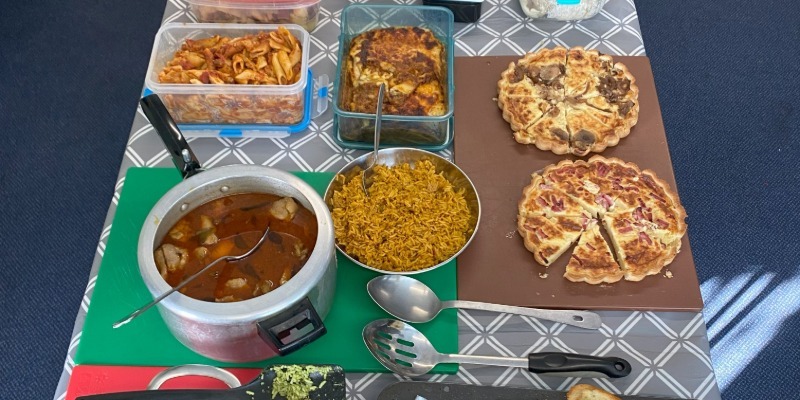
We chat over coffee and biscuits after church on the first, third, fourth and fifth Sundays. If you want to get to know us better, why not join us for Sunday lunch with some of our members? The first meal is on us (Voucher provided). Please
contact us and let us know. We would love to share a meal and get to know you better!
Want to connect?
If you're interested in connecting with us, whether to join our online community or attend our Sunday gatherings, please use our connect card.
Any Questions?
If you have any questions, please review our
FAQ page. Here, you’ll find answers to many common questions. If you still have questions or concerns,
please contact us; we’d love to hear from you.
WE LOOK FORWARD TO WELCOMING YOU TO RCF!!
To contact us or see a map,
click here.
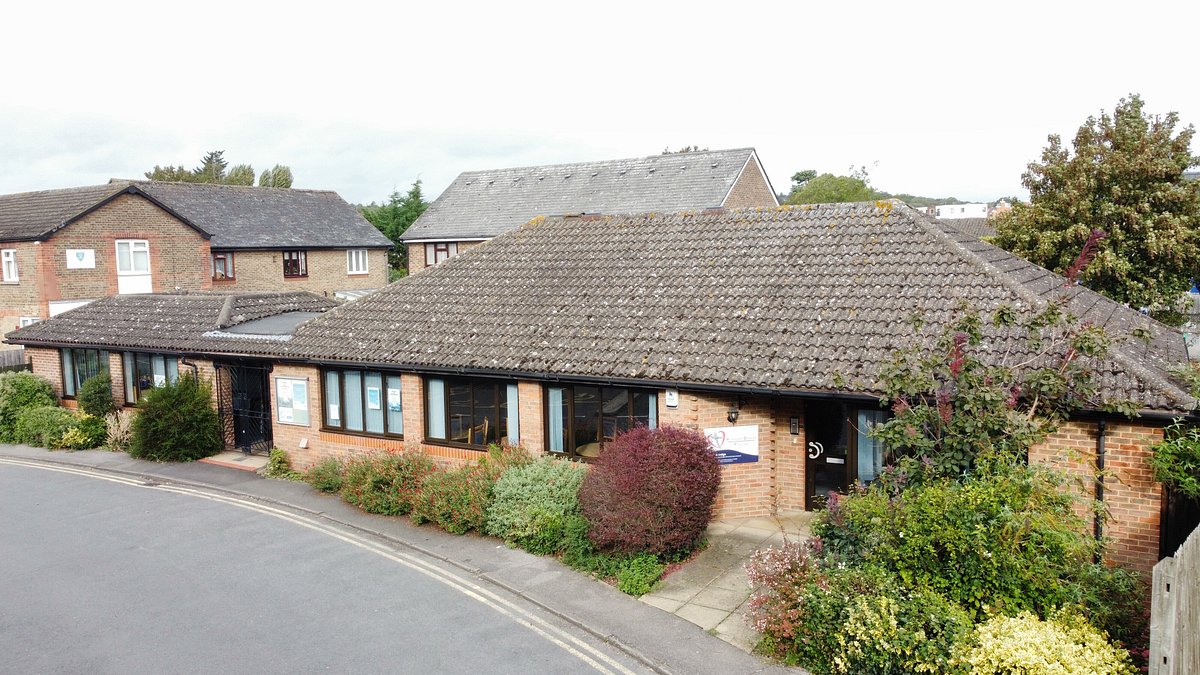
Our address is
Virginia Lodge, Heritage Court, Egham
13/02/2023